One Lucky Teacher St Patrick’s Tumbler: A Designer’s Review
As an experienced embroidery designer and product reviewer, I spend a significant amount of time evaluating digital assets not just for their aesthetic appeal, but for their practical viability in real-world production. When I first pulled up the files for One Lucky Teacher St Patrick s Tumbler, my initial reaction was one of cautious optimism. The theme is timely, tapping into the evergreen market for teacher appreciation gifts with a festive St. Patrick’s Day twist. However, knowing that this product falls under the category of Tumbler Wraps and is classified as Graphics, I immediately recognized a critical distinction that every craft entrepreneur must understand before purchasing.
This is not a traditional machine embroidery design file with stitch data. The product description clearly states it is an instant download containing high-resolution PNG files at 300 DPI, sized 9.3″ x 8.2″. For those of us accustomed to working with .pes, .dst, or .exp files, this requires a shift in mindset. We are looking at a printable graphic intended for sublimation or direct-to-film printing, rather than a digitized pattern for needle and thread. Yet, the principles of good design remain universal. Whether you are creating a custom embroidered tote bag or a sublimated tumbler, the visual balance, clarity, and emotional resonance of the artwork determine the success of the finished product.
First Impressions and Visual Personality
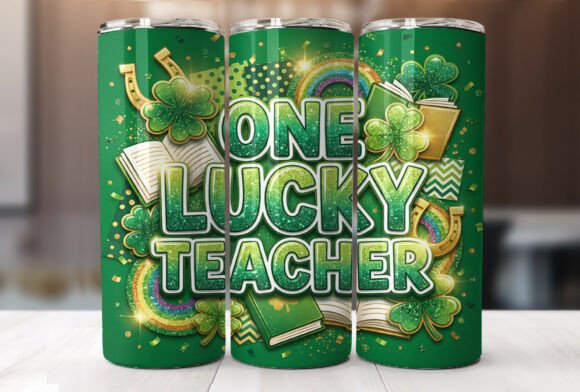
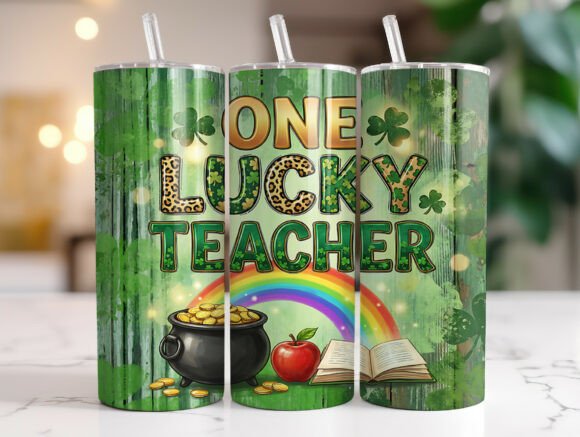
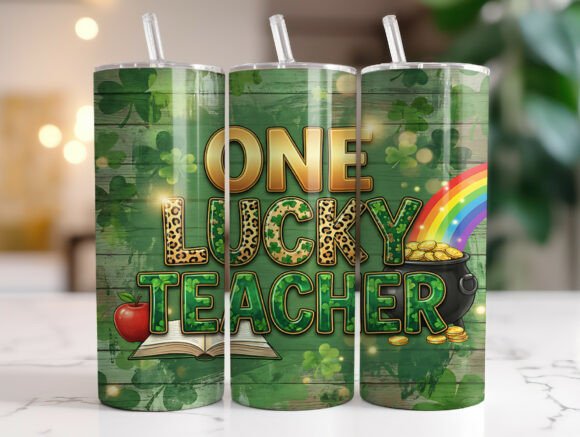
The mood created by One Lucky Teacher St Patrick s Tumbler is cheerful, appreciative, and seasonally appropriate. The layout appears designed to wrap seamlessly around a cylindrical surface, which is evident from the inclusion of both a straight PNG and a tapered PNG. This attention to format suggests the creator understands the technical needs of tumbler crafting. The visual personality leans into the "lucky" motif, likely incorporating shamrocks, green hues, and playful typography that celebrates educators. For a small business owner or Etsy seller, this immediate recognizability is valuable. It reduces the cognitive load for the buyer; they see the design and instantly know it is a gift for a teacher during March.
In terms of detail level, a 9.3″ x 8.2″ canvas at 300 DPI offers substantial resolution. This is crucial for maintaining crisp edges when printed. If you were to attempt to translate this visual concept into an actual machine embroidery design, you would need to be mindful of stitch density and complexity. But as a graphic, it allows for gradients and fine lines that embroidery might struggle to reproduce without excessive bulk. The design feels native to its medium, avoiding the common pitfall of trying to force photographic realism into a stitched format where it doesn't belong.
Real-World Application and Case Study
Let’s consider a realistic scenario. Imagine you run a small shop specializing in personalized teacher gifts. A client approaches you in late February requesting a set of five custom tumblers for their child’s teaching team. They want something festive but professional. Here, One Lucky Teacher St Patrick s Tumbler serves as an ideal base asset. Because you receive a tapered PNG, you can apply it directly to your sublimation workflow without spending hours in graphic design software warping the image to fit the curve of the cup. This efficiency translates directly to higher profit margins and faster turnaround times.
Beyond tumblers, how does this graphic perform in other contexts? While it is optimized for wraps, the high-resolution PNG format makes it versatile for other printable applications. You could use it to create iron-on transfers for tote bags or aprons. Imagine a canvas tote bag featuring this design, paired with a simple embroidered shamrock accent. This hybrid approach—combining printed graphics with tactile satin stitch or fill stitch embroidery—adds perceived value to the handmade product. It creates a multi-dimensional look that stands out in a crowded marketplace. For sweatshirt embroidery, you might print the central graphic and then outline key elements with a contrasting thread color, though this requires careful registration and testing.
Technical Considerations for Designers
Even though this is a graphic and not a digitized embroidery file, the rules of visual clarity still apply. When reviewing the design for potential adaptation or complementary embroidery, consider the background fabric or tumbler color. Green-themed designs can sometimes lose contrast against dark navy or black backgrounds if the shading isn't robust. Always test your prints on scrap material first. If you are using this graphic as a reference to create a companion embroidered patch, pay close attention to the smallest details. Tiny lettering or intricate shamrock veins may not translate well into stitches if the hoop size is limited.
For those considering converting elements of this design into embroidery, remember that stitch density matters. A dense fill stitch over a large area can make a fabric stiff and uncomfortable, especially on wearable items like baby clothes or t-shirts. If you are adding embroidery to a project featuring this print, opt for lighter running stitches or strategic satin borders rather than covering the entire graphic with thread. This preserves the vibrancy of the printed colors while adding the premium texture of embroidery.
Market Viability and Customer Trust
From a business perspective, using high-quality assets like One Lucky Teacher St Patrick s Tumbler enhances brand consistency. Customers associate crisp, well-aligned designs with professionalism. A blurry or pixelated print erodes trust immediately. Since this file is provided at 300 DPI, it meets the industry standard for high-quality printing. This reliability allows you to focus on marketing and customer service rather than troubleshooting file quality issues.
Furthermore, the seasonal nature of the design creates urgency. St. Patrick’s Day is a specific window, and teachers are a reliable demographic for gift-giving. By having this asset ready in your library, you can quickly launch a targeted campaign. It fits perfectly into categories like holiday embroidery themes, even if the primary application is sublimation. It demonstrates that you are current and attentive to trends, which encourages repeat business from clients who appreciate your curated selection.
Practical Notes for the Craft Entrepreneur
Before integrating this design into your commercial workflow, keep these practical tips in mind:
- Verify Licensing: Always confirm the license terms provided by the seller. Ensure that commercial use is permitted for physical products you intend to sell.
- Test Print Colors: Monitor calibration varies. Print a test sheet to ensure the greens are vibrant and not muddy, especially if using it on white tumblers.
- Check Alignment: Use the tapered PNG for curved surfaces to avoid distortion. The straight PNG is best for flat applications like paper mockups or flat-printed transfers.
- Complementary Embroidery: If adding stitching, choose thread colors that contrast sharply with the print. A gold or white thread can pop beautifully against the typical green palette of St. Patrick’s Day designs.
- Fabric Selection: If transferring to fabric, choose materials that accept ink well, such as polyester blends for sublimation or cotton for heat-transfer vinyl adaptations.
In conclusion, One Lucky Teacher St Patrick s Tumbler is a solid asset for designers and makers who understand the difference between print graphics and stitch files. It excels in its intended role as a tumbler wrap, offering convenience and seasonal appeal. By approaching it with a designer’s eye for detail and a business owner’s sense of market timing, you can leverage this graphic to create standout products that delight customers and elevate your brand. Whether you are an Etsy seller looking to expand your holiday collection or a hobbyist making gifts for favorite educators, this design provides a strong foundation for creative execution.