Reviewing So Many Books Crayons SVG for Embroidery
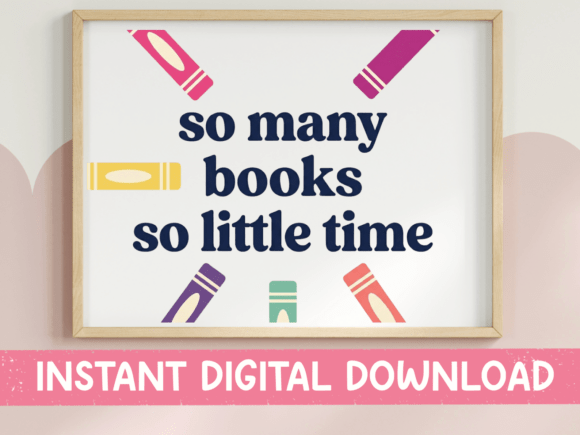
As a designer who spends half my life digitizing and the other half stitching, I have learned that a graphic that looks stunning on a screen does not always translate seamlessly to thread. When I first pulled up the So Many Books Crayons SVG, my initial reaction was one of cautious optimism. The visual concept is undeniably charming: crayons and markers scattered playfully around the bold, dark lettering of the phrase "so many books so little time." It captures the chaotic joy of reading and creativity in a way that feels organic rather than rigid. However, moving this from a digital asset to a tangible embroidery project requires a critical eye for detail, density, and fabric compatibility.
The Visual Personality and First Impressions
The mood of this design is whimsical yet grounded. The use of pink, purple, yellow, and green art supplies against a white background creates a vibrant energy that appeals to a wide demographic. For an Etsy seller or a small shop product creator, this versatility is a major asset. It does not scream "children only," nor does it feel too sterile for adults. It sits comfortably in that sweet spot of modern, bookish aesthetics that are currently trending in boutique branding.
From a layout perspective, the scattering effect of the crayons adds movement. In embroidery, movement can be tricky. If the elements are too disjointed, the design can look messy once stitched. However, the central anchor of the bold text provides necessary structure. This balance suggests that with proper digitizing, the machine embroidery design could maintain its clarity without losing its playful spirit. The key here is ensuring that the "scattered" elements do not become loose threads or poorly connected jumps in the final finished product.
Real-World Application: The Tote Bag Test
To truly evaluate the potential of So Many Books Crayons SVG, I imagined applying it to a classic canvas tote bag. This is a staple item for librarians, teachers, and avid readers. On a sturdy cotton canvas, the bold lettering would stand out beautifully. The thread colors mentioned—pink, purple, yellow, and green—would pop against natural beige or white fabric, creating a high-contrast, eye-catching tote bag design.
However, the real test lies in the stitching technique. The bold lettering likely requires a dense fill stitch to ensure coverage and readability. If the digitizer has optimized the stitch density correctly, the text will lie flat and feel substantial without being overly stiff. The surrounding crayons, being smaller and more detailed, might benefit from a combination of satin stitch for outlines and lighter fill stitches for the bodies of the markers. This approach prevents the design from becoming a heavy, cardboard-like patch on the fabric, maintaining the soft drape required for a functional bag.
Apparel and Custom Gifts
Beyond totes, this design has strong potential for custom apparel. Imagine this on a cozy sweatshirt for a university student or a teacher’s lounge favorite. The sweatshirt embroidery market thrives on designs that express personality, and this phrase does exactly that. When placing it on a garment, however, you must consider the fabric texture. Fleece and jersey knits are stretchy and textured. Without a proper stabilizer, the intricate details of the crayon tips and the sharp corners of the letters could pucker or distort.
For baby embroidery projects, such as a bib or a onesie, the scale becomes critical. The phrase "so many books so little time" is relatively long. If scaled down too much for a small chest area, the legibility of the text may suffer. In these cases, I would recommend testing the design on scrap fabric first to ensure the smallest details remain distinct. A personalized gift loses its impact if the recipient has to squint to read the message.
Technical Considerations for Stitchers
While the aesthetic appeal is high, practical execution demands attention to technical specifics. Since the product description identifies this as a graphic within the T-Shirt Designs category, it is likely optimized for printing or vinyl cutting initially. Translating this to an embroidery file requires careful manipulation.
- Hoop Size: Determine the maximum dimensions of the design before purchasing. A large, sprawling design may require a 5x7 or even a 6x10 hoop, which not all home machines support.
- Stitch Count and Density: The description does not provide exact stitch counts. High-density areas, particularly in the bold lettering, can cause fabric puckering if not balanced with underlay stitches. Always check the density settings in your software.
- Color Changes: With four distinct colors plus the dark text, this design will involve multiple color stops. For a craft business producing items in bulk, this increases production time. Consider if a simplified version with fewer thread changes might be more efficient for high-volume orders.
- Fabric Compatibility: Avoid using this design on very thin or sheer fabrics unless you are experienced with lightweight stabilizers. The weight of the stitches could pull the fabric out of shape.
Navigating Challenges in Complex Designs
One area where So Many Books Crayons SVG requires caution is in the tiny details. The caps of the markers and the tips of the crayons are small elements. In embroidery, small details can easily get lost or become tangled nests of thread if the needle penetration is too aggressive. If you are planning to use this on curved surfaces like caps or hats, the distortion risk increases. The embroidered patch route might be a safer alternative for headwear, allowing you to stitch the design on a stable backing before applying it to the hat.
Furthermore, consider the background. The design is described with a white background in mind. If you are stitching on dark fabric, the bold dark lettering might blend in. You would need to adjust the thread color of the text to a lighter shade or add a light-colored border to ensure contrast. This adaptability is crucial for commercial embroidery where clients request various colorways.
Enhancing Product Value and Brand Consistency
For digital product sellers and creative entrepreneurs, the quality of the source file directly impacts customer trust. A well-digitized version of this design can elevate a simple t-shirt into a premium handmade product. It signals professionalism and attention to detail. When used in printable mockups or online listings, the vibrant colors and clear typography help capture buyer engagement. It is not just a design; it is a statement piece that resonates with a specific community of readers and artists.
Using this design effectively also contributes to brand consistency. If your shop focuses on literary themes or artistic supplies, So Many Books Crayons SVG fits seamlessly into your catalog. It reinforces your niche and helps build recognition among repeat customers. Whether it is for holiday embroidery gifts or everyday wear, the design’s timeless theme ensures it remains relevant beyond seasonal trends.
Final Verdict and Designer Notes
In conclusion, So Many Books Crayons SVG is a promising candidate for embroidery projects, provided it is handled with technical precision. It offers a delightful blend of humor and aesthetics that appeals to teachers, librarians, students, and book lovers alike. However, success depends on proper preparation.
- Always verify the license terms. Ensure the file allows for commercial use if you plan to sell finished products or design assets.
- Test stitch on similar fabric weights to your final product. Check for puckering and thread breaks.
- Adjust thread colors to suit your fabric choice. Contrast is key for readability.
- Consider simplifying extremely small details if stitching on textured or stretchy materials.
By respecting the limitations of the medium and leveraging the strengths of the design, you can create standout items that customers will cherish. Whether you are decorating a kitchen towel, a pillow cover, or a favorite hoodie, this design has the potential to bring a splash of color and personality to your embroidery project. Just remember: measure twice, stitch once, and always keep the end user’s experience in mind.